Console Emulators: The Complete Guide to Every System Worth Emulating on PC
Most "best console emulator" articles either try to cover everything in one flat, confusin...

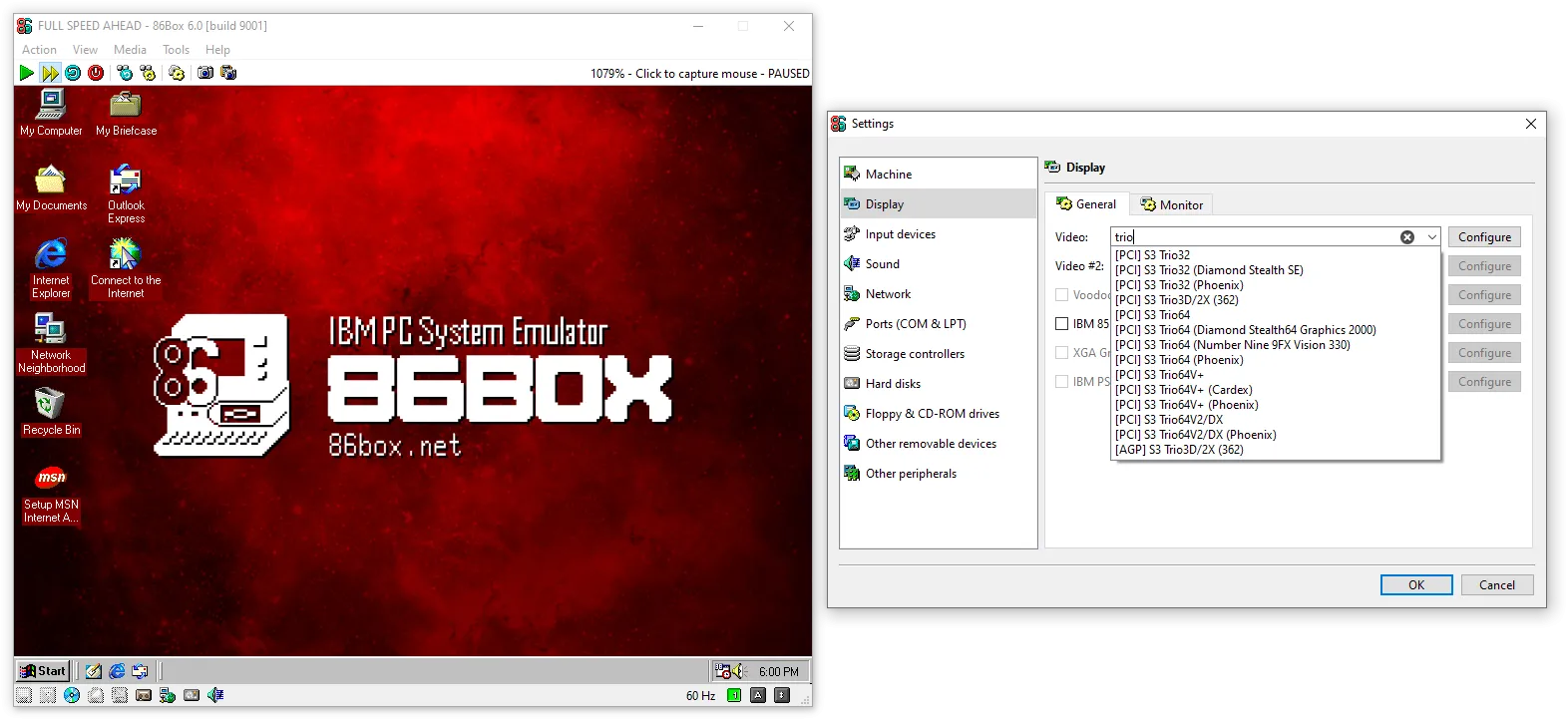
86Box is a low-level x86 emulator specializing in running legacy operating systems and software designed for IBM PC systems and compatibles from 1981 onwards. It offers cycle-accurate emulation of processors from 8086 through Pentium era, featuring an intuitive hypervisor-style interface. The program supports extensive hardware customization, making it ideal for digital preservation, retro gaming, and educational purposes across Windows, Linux, and macOS platforms.
64-bit dual-core processor (Intel/AMD)
2 GB
100 MB available space
Reviews are moderated. Your review will be published after being approved by an administrator.
Have an account? Log in to post a review, or continue below with your name and email.
Get the latest version of 86Box and start using it right away.
VirtualBox
Oracle VirtualBox is a free, open-source, cross-platform virtualization software that lets you run multiple operating systems simultaneously on a single machine. Whether you're a developer testing environments, a student learning Linux, or an IT professional managing virtual machines, VirtualBox delivers powerful VM capabilities without the cost — making it one of the most trusted hypervisor tools available today.

DOSBox
DOSBox is a free, open-source emulator that recreates an MS-DOS environment on modern computers. It emulates Intel x86 architecture, including sound, graphics, and networking, allowing users to run classic games and legacy software that are incompatible with current operating systems like Windows 11, macOS, or Linux. It is widely praised for its high compatibility and the ability to manually adjust emulation speed to match the requirements of vintage software.
Fresh guides, news, and insights
Most "best console emulator" articles either try to cover everything in one flat, confusin...
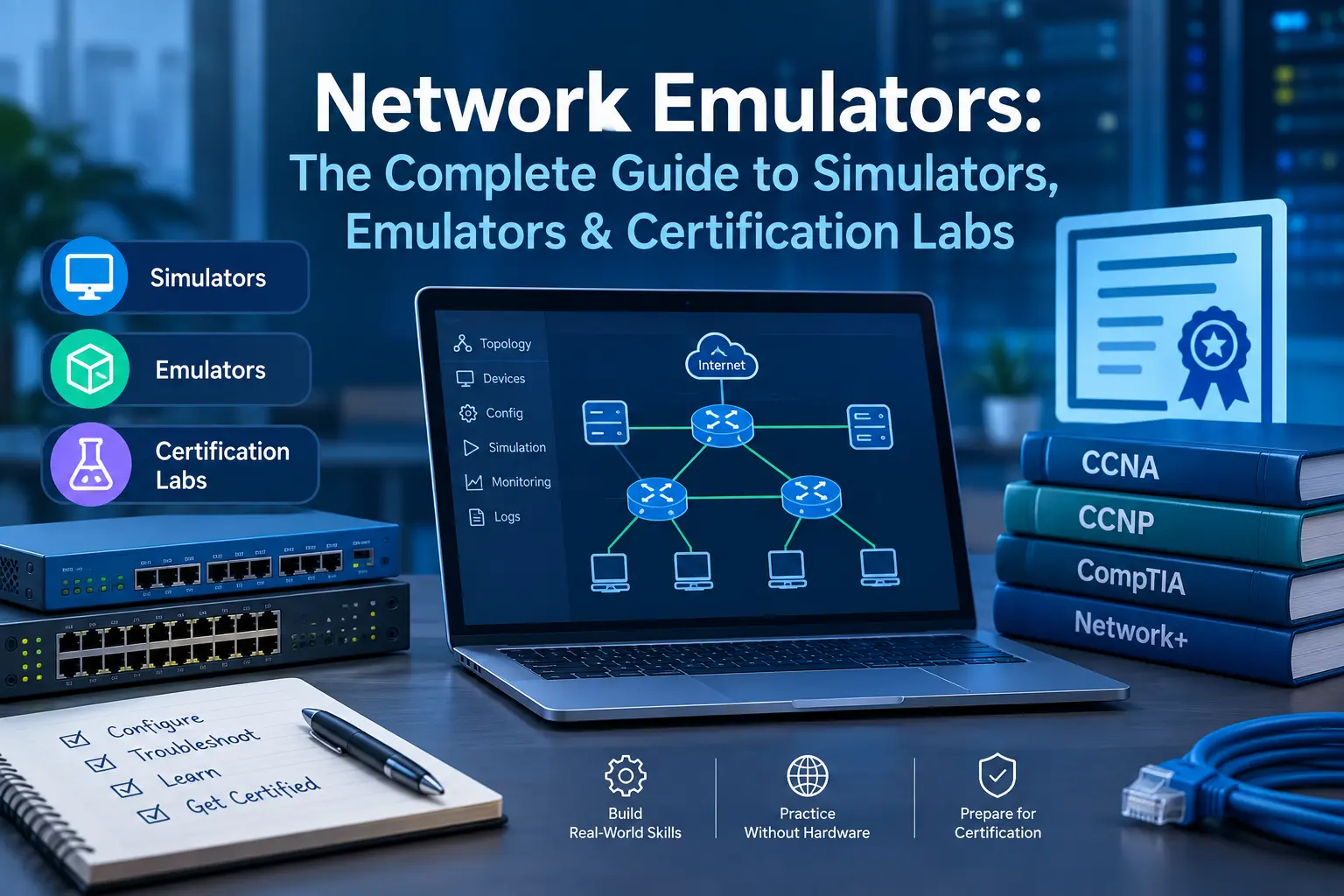
Search "network emulator" and you'll mostly find the same five tools recycled across a doz...
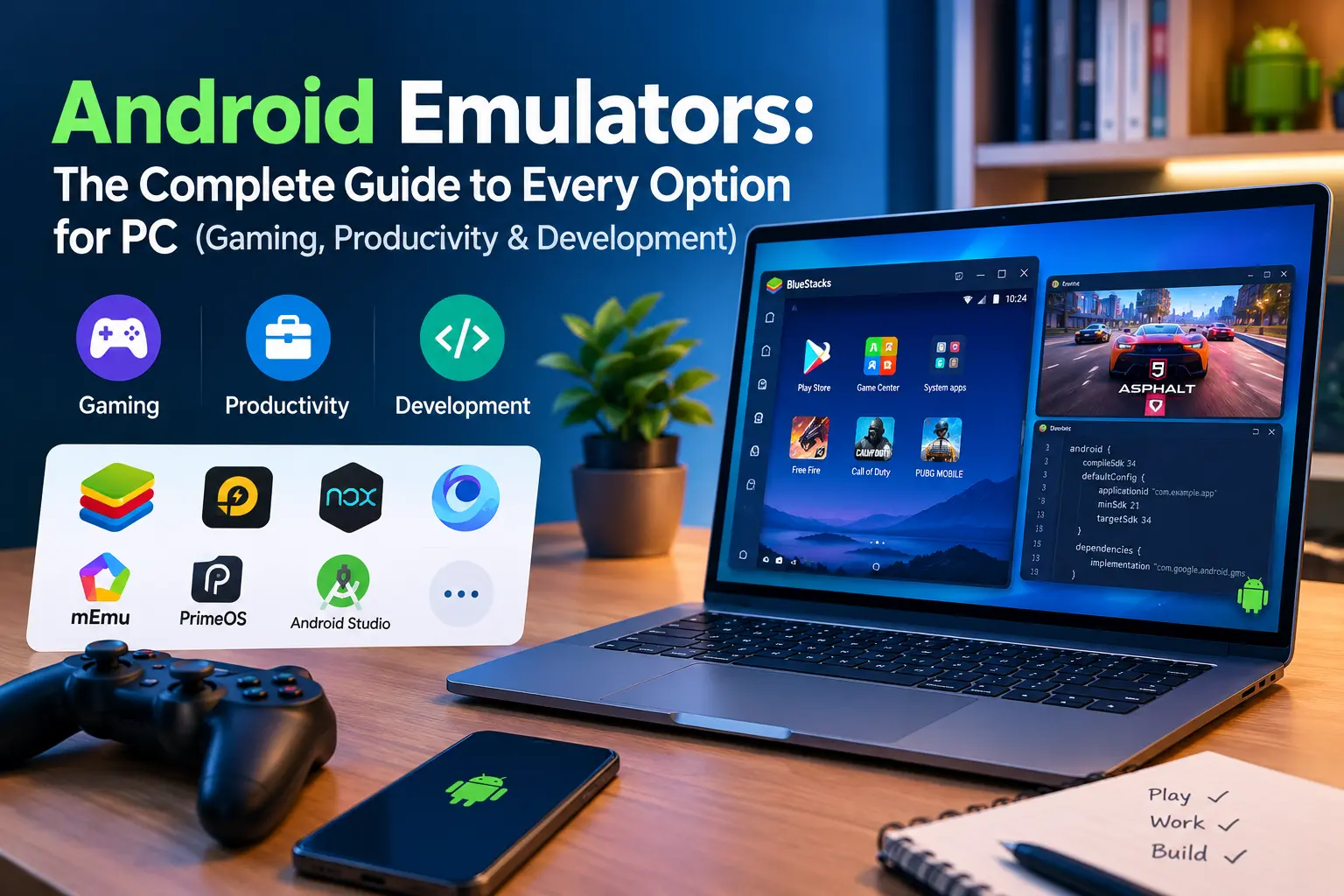
Type "Android emulator" into Google and you'll get no shortage of opinions — most of them...
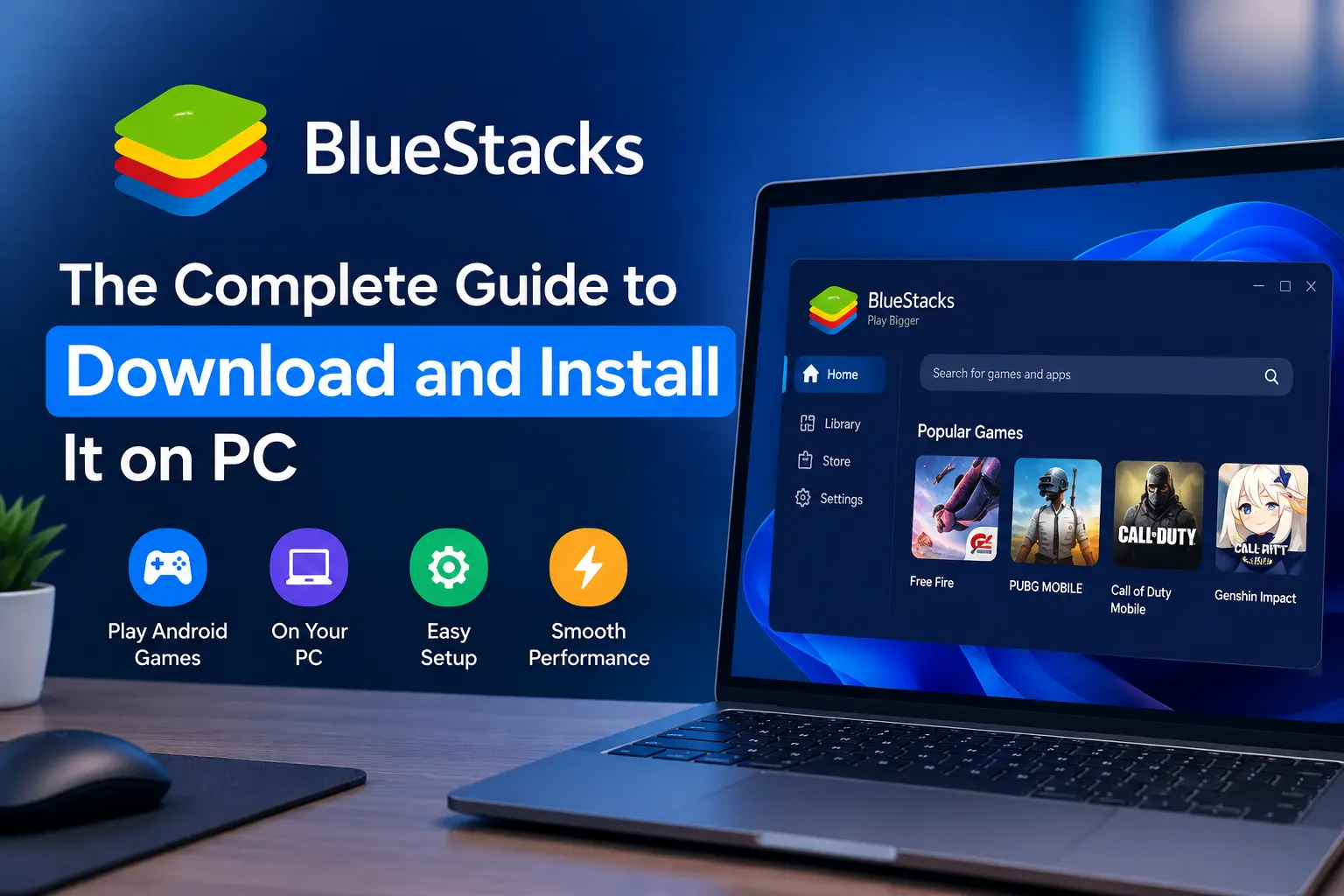
If you've ever wanted to play a mobile game on a bigger screen, or you're testing an Andro...